Introduction to Pakistan
We invite you to Pakistan, a land where the mysteries of ancient civilizations and the wonders of nature live and breathe.

1. Brief Introduction
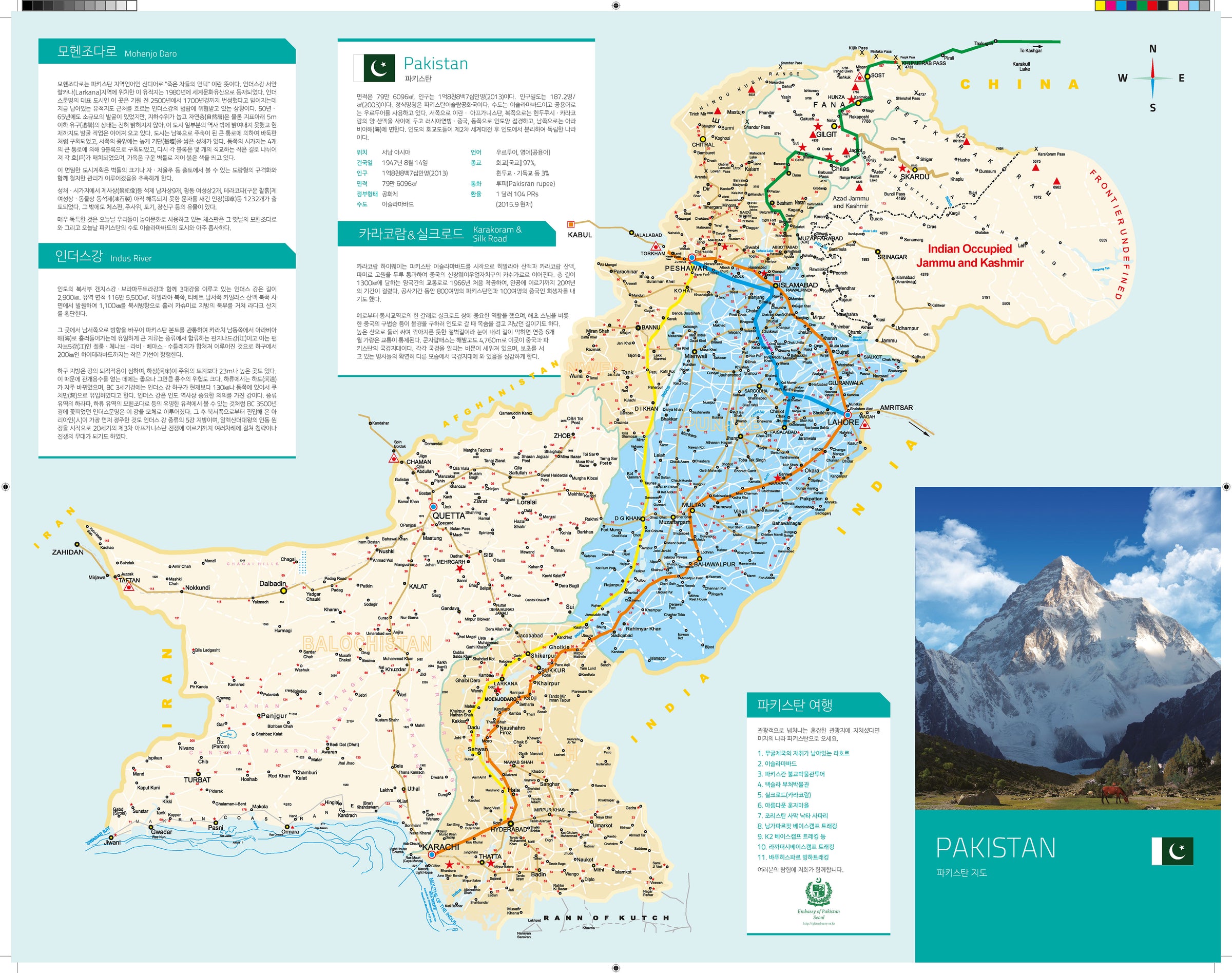
The Islamic Republic of Pakistan was born as an independent nation on August 14, 1947, but its history stretches back well over 5,000 years. It was the center of the Indus Valley Civilization, one of the four great cradles of civilization, and a crossroads on the Silk Road connecting East and West, where countless cultures met and fused, leaving behind a unique and rich heritage. To the north rise the majestic peaks of the Himalayas and Karakoram, often called the Roof of the World, while to the south lies the warm waters of the Arabian Sea. This diverse history and geography make Pakistan more than just a nation; it is a vast museum and a living showcase of natural history.

2. History
Pakistan's history begins with the dawn of human civilization. The Indus Valley Civilization, which flourished in the Indus River valley around 3,300 BCE, remains a testament to its grandeur, evidenced by the ruins of Mohenjodaro and Harappa, with their systematic urban planning and sophisticated drainage systems.
Around 2000 BCE, the Aryans arrived, laying the foundation for Hindu culture. Later, through the expeditions of Persia and Alexander the Great, Eastern and Western cultures first encountered each other. Northern Pakistan, in particular, was the center of the Gandhara Buddhist civilization , where a unique and beautiful Buddhist art influenced by Hellenistic culture flourished. Taxila, a center of scholarship and art at the time, is a living testament to the essence of Gandhara civilization.
Since the arrival of Islam in the 8th century, this land has accumulated over a thousand years of Islamic heritage. Through the Ghaznavid dynasty and the Delhi Sultanate, the land entered a golden age of culture and art during the Mughal Empire in the 16th century. The Badshahi Mosque, Lahore Fort, and Shalimar Gardens, all located in Lahore, are world-renowned cultural heritage sites that showcase the grandeur and splendid architectural beauty of the Mughal Empire.
Pakistan, which became part of British India in the 19th century, fostered a desire for independence in the early 20th century through the Pakistan Movement , which advocated for the right of Muslim self-determination. Finally, in 1947, Pakistan emerged proudly on the world stage as an independent nation.
3. Quaid-e-Azam
Muhammad Ali Jinnah, known as "Qa'e-e-Azam," meaning "The Great Leader," was the founding father of Pakistan and its first Governor-General. He spearheaded the Pakistan movement with unwavering conviction and exceptional leadership, and his motto, "Faith, Unity, Discipline," remains deeply ingrained in the hearts of Pakistanis and remains a core value guiding the nation to this day.
4. Flag of Pakistan

The flag of Pakistan is called the "Parcham-e-Sitarah-o-Hilal," meaning "Flag of the Crescent and Star." The flag's design is deeply symbolic.
- Dark green background: Symbolizes Islam and the prosperity of the nation.
- The white vertical band on the flagpole: It symbolizes the rights and peace of religious minorities, including Christians and Hindus, living in Pakistan, and represents harmony in a multicultural society.
- The white crescent moon and pentagram in the center: the crescent moon symbolizes 'development' and the pentagram symbolizes 'light and knowledge', and are also traditional symbols of Islam.
5. National Anthem
Pakistan's national anthem, "Qaumi Taranah," was officially adopted in 1954. Its lyrical and majestic tune, based on Eastern musical melodies, celebrates Pakistan's faith, freedom, beauty, and the strength of its people.
Blessed be the sacred land, Happy be the bounteous realm,
Symbol of high resolution, Land of Pakistan.
Blessed be thou citadel of faith.
(Blessed be the Holy Land, Happy be the Kingdom of abundance,
Land of Pakistan, a symbol of high resolve.
Blessings be upon you, the citadel of faith.)
6. State Emblem

The National Emblem, adopted in 1954, encapsulates Pakistan's ideology, culture, economy, and guiding principles in a single coat of arms.
- The crescent moon and star at the top: represents the country's identity as an Islamic nation.
- The central shield: Divided into four sections, each depicting Pakistan's main agricultural products: cotton, wheat, tea and jute, symbolizing the country's strong agricultural economy.
- Garland surrounding the shield: A reproduction of traditional floral motifs from the Mughal era, representing Pakistan's rich cultural heritage.
- The scroll at the bottom: The motto of the national leader, Ka-e-de-Azam, is inscribed in Urdu: "Faith, Unity, Discipline" .
7. Visit Pakistan
Pakistan is a destination with endless charm that will satisfy adventurers, nature lovers, and history buffs alike. The northern mountainous region, in particular, boasts some of the most breathtaking scenery on Earth.
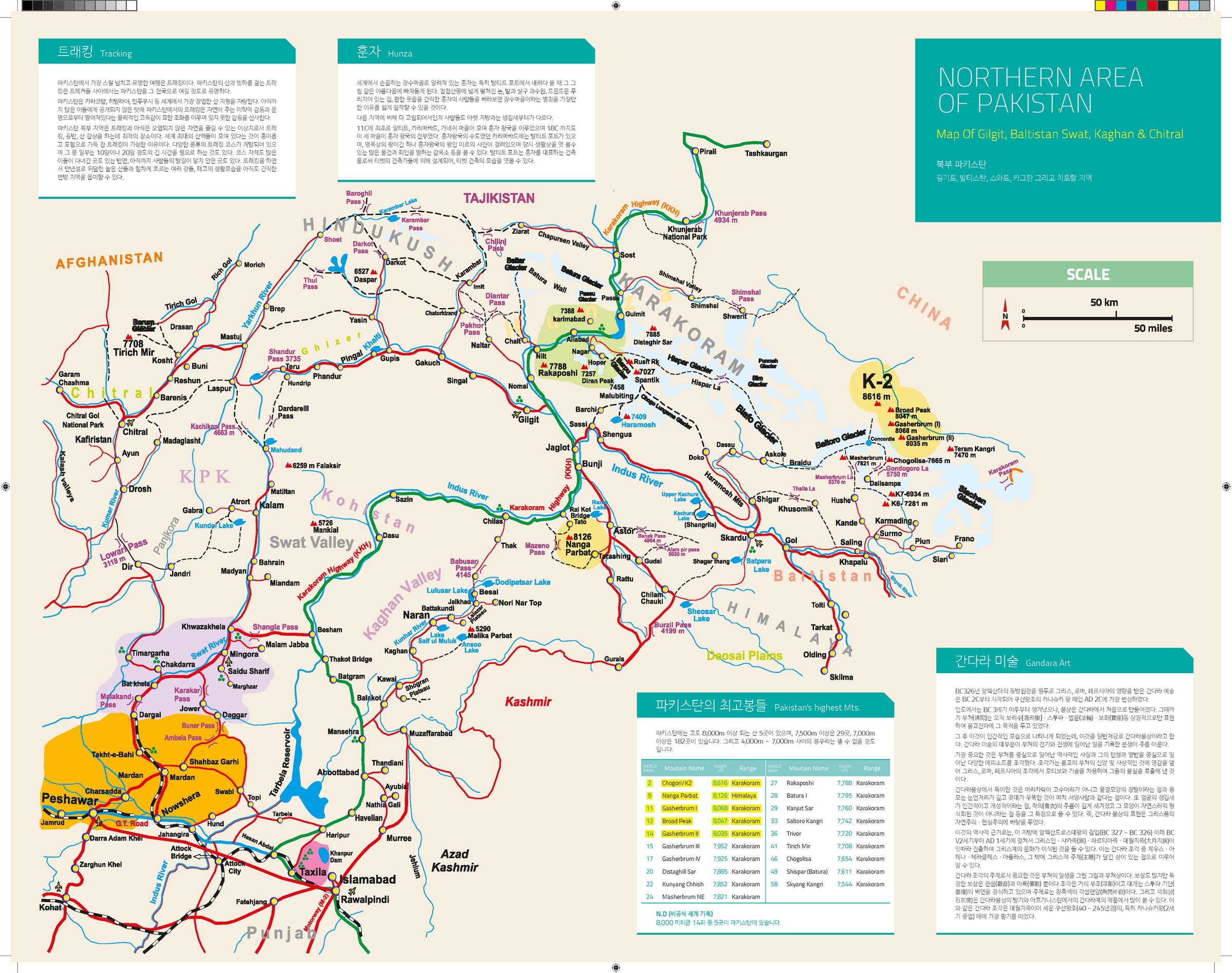
- Hunza Valley: Renowned as the "Village of Longevity," this valley boasts a surreal beauty that has earned it the nickname "Paradise on Earth." Snow-capped peaks over 7,000 meters, including Rakaposhi and Ultar, surround the valley like a folding screen, while the emerald-green Attabad Lake is a breathtaking sight.
- Swat Valley: Nicknamed the "Switzerland of Pakistan," Swat Valley boasts an idyllic landscape of verdant grasslands, clear valleys, and lush forests. In winter, visitors can enjoy skiing at the Malam Jabba Ski Resort, attracting tourists year-round.
- Neelum Valley: True to its name, "The Blue Jewel," this valley, stretching along the Neelam River, boasts unspoiled natural beauty. The lush green forests, enchanting streams, and peaceful villages offer visitors a profound sense of relaxation.
- Kaghan Valley: Located at the gateway to the Himalayas, this valley is home to the legendary Saiful Mulug Lake and the clear waters of the Kunhar River, creating a picturesque landscape.
- Kalash Valley: Nestled deep in the Hindu Kush Mountains, the Kalash Valley is home to the Kalash tribe, descendants of Alexander the Great, who maintain their unique religion and culture. Their colorful festivals and unique traditions make this a place of profound anthropological significance.
Apart from these, there are countless other lesser-known gems in Pakistan, such as Shandur Pass , home to the world's highest polo field, and Murree Hills, a former British colonial retreat.